Have you ever felt like your money disappears faster than you can plan for? If you are looking for a quick way to reset your spending habits and boost your savings without feeling deprived, try a no-spend challenge. A no-spend challenge means committing to a set period (a day, week, or even a month) where you don’t spend money on anything outside of essentials like groceries, bills, and transportation.
In this post, I will show you how to utilize the no-spend challenge to save money, improve your financial habits, and become more intentional with your money use. I have also included other money-saving challenges at the end of the post that I used to boost my savings, such as the 52-week savings challenge, the spare change jar challenge, and the cash envelope method.
What is a no-spend challenge?
A no-spend challenge is a savings challenge in which you commit to not spending money on anything beyond essentials for a set period of time. Think of a no-spend challenge as a way to detox your budget in an effort to eliminate money wastage. While the time frame for a no-spend challenge varies by individual, most people try it for a week up to a month. You can also do it for a longer period.
A no-spend challenge is not just about boosting your savings; it’s about breaking bad money habits you didn’t even realize you had. When you commit to not spending on anything beyond the essentials, you start to notice how often you buy things out of boredom, stress, or just because it is convenient. This money challenge forces you to get creative with what you already have, whether that’s cooking from your pantry or finding free ways to have fun.
You might also like: 21 best money-saving challenges to save money.
What qualifies as essentials during the no-spend challenge?
The goal of a no-spend challenge is to eliminate all nonessential spending while still covering necessary expenses. The no-spend challenge isn’t about total deprivation; it’s about being intentional and mindful with your money. By sticking to essential spending only, you create space to reflect on your habits, save more, and reset your financial priorities.
Here is a list of common expenses that qualify as essential during a no-spend challenge.
- Groceries: Basic ingredients for home-cooked meals, not snacks or luxury items.
- Housing: Rent or mortgage payments, property taxes, and insurance.
- Utilities: Electricity, water, heating, and internet
- Transportation: Gas, public transit fares, car insurance, and car maintenance if urgent. You can also DIY some car repairs, walk to work, or use a bike.
- Medical needs: Prescriptions, doctor visits, emergency care.
- Childcare or pet care: If applicable, only the essentials.
Non-essential expenses to avoid during a no-spend challenge
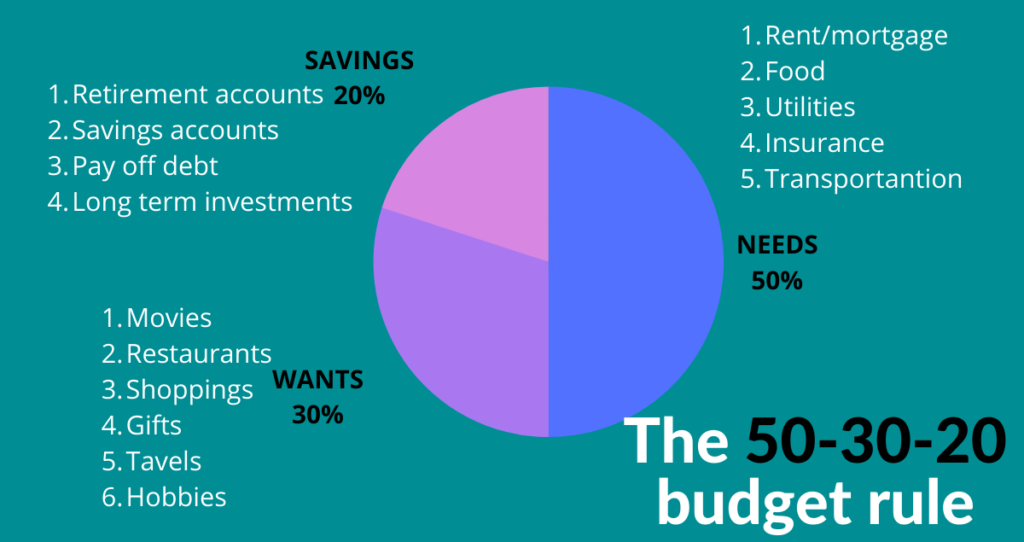
As I mentioned above, during the no-spend challenge, you try to spend money only on needs and avoid wants. A want is anything that you don’t need for your survival. A common mistake many people make is treating wants as if they were needs. For example, a friend of mine believes that having multiple streaming services is essential, whereas in reality, entertainment falls into the category of wants.
The following is a list of a few examples of non-essentials to spend no money on during the no-spend challenge.
- Dining Out: No takeout, coffee runs, or restaurant meals.
- Shopping: No clothes, gadgets, books, or home decor.
- Entertainment: Skip movie tickets, concerts, streaming subscriptions (unless prepaid).
- Impulse purchases: That random Amazon cart? Leave it alone.
- Subscriptions: Cancel or pause any nonessential ones.
How to successfully do a no-spend challenge?
Many people start no-spend challenges only to give up a few days later. So, what do winners do differently from those who fail at money challenges? The lack of a clear goal, discipline, and a plan to execute a no-spend challenge are often the main reasons many people fail.
If you are new to the no-spend challenge or have been failing, here are a few steps to successfully do a no-spend challenge.
Step 1: Decide the timeframe for the challenge
Decide how long you want the no-spend challenge to last. While many people can take on money-saving challenges that last months, it is a good idea to start with a shorter time frame, such as a week, if this is your first no-spend money challenge. You need to pick a period that feels ambitious but also achievable to avoid setting yourself up to fail.
Here is a guideline for deciding the length of your no-spend challenge.
- Beginner-friendly: Try a weekend or a 7-day no-spend challenge.
- Intermediate: Go for 2 weeks.
- Advanced: Commit to a full month.
Step 2: Differentiate your essential and non-essential spending
As I mentioned earlier, you will only spend money on essentials during the no-spend challenge period. That is why you need to clearly define what counts as essential and what’s off-limits. Essentials are things you need for survival, such as food and shelter, while non-essentials are things you don’t need for your survival, such as dining out.
Here are a few examples of essentials and non-essentials to help you during the no-spend challenge. You can also revisit the list of essentials and non-essentials I listed in the previous paragraphs.
- Essentials: Groceries, rent/mortgage, utilities, transportation, medical needs.
- Non-essentials: Dining out, shopping, entertainment, impulse purchases.
When labeling what’s essential and what is not, customize the rules to fit your lifestyle. For example, coffee is considered non-essential, but to some people, it is essential. That does not mean you need to spend $10 daily on coffee. If you need coffee to function, consider homemade brews instead of making a daily Starbucks run.
Step 3: Prep ahead
Prepping ahead is a clever way to limit your spending when doing a no-spend challenge. At this step, simply list all the essential things you need during the no-spend challenge. This prevents you from visiting the store daily, which can lead to impulse purchases. It is also a great opportunity to cancel unnecessary subscriptions that you have been paying for.
Here are a few tips to prep ahead for your no-spend challenge.
- Stock up on pantry staples and household essentials.
- Cancel or pause nonessential subscriptions.
- Plan free activities (walks, library visits, game nights).
- Let friends know you are doing the challenge so they don’t tempt you with spendy plans.
Step 4: Track your progress
After you have started the no-spend challenge, make sure you track your progress. For example, I write down my daily performance in a journal when I’m participating in a money challenge. If you don’t like using a journal to track your progress, try using a spreadsheet or a printable tracker to log your daily wins, losses, and temptations.
Here are a few things to track during the no-spend challenge.
- Note what you wanted to buy but didn’t.
- Reflect on emotional triggers: were you bored, stressed, or just scrolling?
- Write down where you failed and why
Step 5: Reflect & review
After completing a no-spend challenge, it’s a great time to reflect on and review how the challenge went. This evaluation is a comprehensive assessment of what worked, what did not work, the emotional triggers you experienced, how you managed them, how much you saved, the habits you discovered about yourself, and the habits you broke.
Here is a list of things to reflect on after completing the no-spend challenge.
- How much did you save?
- What spending habits surprised you?
- What will you change going forward?
- How did you overcome temptations?
- What did you struggle with the most
- What could you do differently if you were to start over?
Why should you try a no-spend challenge?
The no-spend challenge is a highly effective way to improve your financial situation. Not only does it help you increase your savings, but it also reveals hidden spending habits and supports the process of breaking unhealthy financial patterns.
Here is how participating in a no-spend challenge can benefit you.
- Boost your savings: You can redirect unused funds to savings, debt repayment, or a big goal.
- Break bad money habits: It helps identify emotional or habitual spending triggers.
- Mindful spending: You learn to differentiate between needs and wants.
- Financial clarity: The challenge reveals where your money actually goes.
- Build Discipline: The no-spend challenge is a great way to detox your budgeting strategies
Other money-saving challenges you can do
1. Cash-only envelope challenge
How it works:
- Allocate a fixed amount of cash to envelopes labeled by category, such as groceries, entertainment.
- Once the cash is gone, no more spending in that category until the next cycle.
How it helps: - Prevents overspending by removing the temptation of swiping cards.
- Makes budgeting tangible and visual.
- Encourages prioritization, discipline, and improves money habits.
2. 52-Week savings challenge
How it works:
- Save an increasing amount each week: $1 in Week 1, $2 in Week 2, up to $52 in Week 52. Just pick what you can afford to save.
- By the end of the year, you will have saved $1,378.
How it helps:
- Builds momentum gradually, making it easier to stick with.
- Can be reversed (start with $52 and decrease) if you want to front-load your savings.
- Great for funding a vacation, emergency fund, or holiday expenses.
3. The $5 bill saving challenge
How it works:
- Every time you receive a $5 bill, stash it away—don’t spend it.
- Use a jar, envelope, or savings account to collect them.
How can it help you?
- Turns everyday cash into a fun savings game.
- Builds discipline and excitement around saving.
4. Spending freeze week
- Choose one week per month to freeze all non-essential spending. This is similar to a no-spend challenge, except that it is done on a monthly basis.
- No takeout, shopping, or impulse buys.
- Use the saved amount to boost your savings or pay down your debt.
5. Spare change jar challenge
- Collect all your physical spare change in a jar.
- Cash it out monthly and deposit it into savings.
- This is an old-school saving strategy, but surprisingly, it still works well.
5. Monthly subscription audit
- Cancel one unused subscription per month.
- Redirect that money into savings.
- This money-saving challenge helps eliminate passive spending and clutter.
These are some of the best money-saving challenges you can start with. If you need a complete list of saving challenges to help manage your money, boost your savings, and develop good money habits, check out this complete list of money-saving challenges guide.