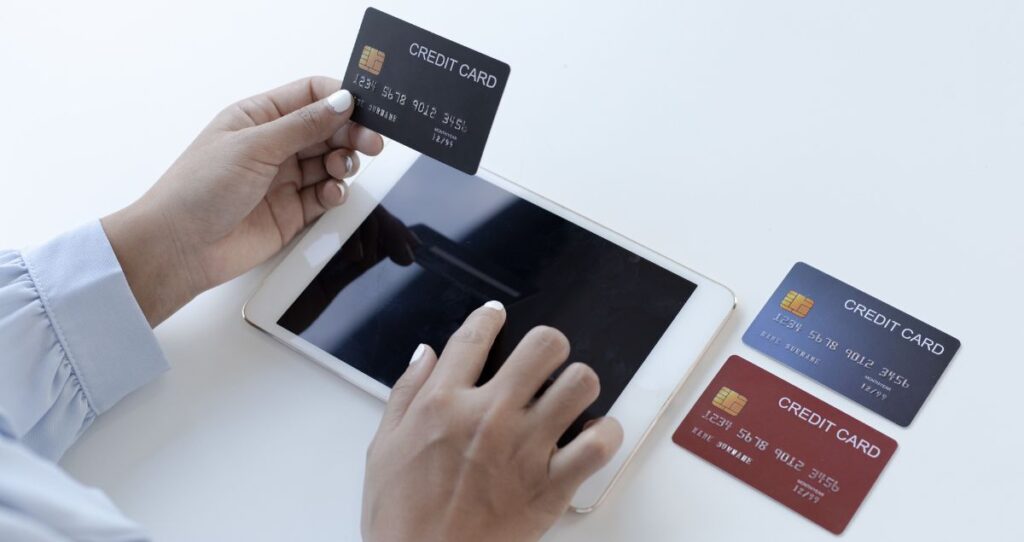
Credit cards can be incredibly useful, offering convenience, rewards, and a safety net when used wisely. But they are not a one-size-fits-all solution for every purchase. In fact, using your credit card for the wrong expenses can lead to high-interest debt, a damaged credit score, and long-term financial stress. That is why knowing things not to buy with a credit card is essential to effectively take full advantage of your credit cards.
Whether you are new to credit or looking to improve your financial habits, understanding what not to charge to your credit card is just as crucial as knowing when to swipe. In this post, I will break down 7 common purchases you should avoid putting on your credit card, and offer smarter alternatives to keep your finances on track.
Without further ado, let’s get started.
1. Never pay your mortgage with your credit card
Paying your mortgage with a credit card might seem like a quick fix, especially when you are running low on cash, but it’s a financial trap. Mortgages are significant expenses, and charging them to your card can max out your credit limit, damage your credit score, and result in high-interest rates.
Here is why paying off a mortgage with a credit card isn’t a good idea.
- Credit score damage: Using a credit card to pay off a mortgage can increase your credit utilization to more than 30% of your credit limit, signaling risk to lenders.
- High interest rate: Credit card rates often exceed 20%, far higher than typical mortgage rates, which usually range between 3% and 7%.
- Debt trap: Swapping one debt for another that has a higher interest only makes your financial situation much worse.
Instead of using a credit card to pay off a mortgage, use these tips to manage your debts.
- Talk to your lender immediately. Most lenders offer hardship programs, forbearance, or loan modifications. These can temporarily reduce or pause your payments while you get back on your feet.
- Refinance your mortgage. If your credit is still in decent shape, refinancing could lower your monthly payments by securing a better interest rate or extending your loan term.
- Explore government assistance. Programs such as HUD-approved housing counseling or state-specific relief funds can provide guidance and financial support.
- Pick up a side gig. Even a few hundred extra dollars a month can help cover your mortgage.
- Cut back on non-essentials: Review your budget and eliminate discretionary spending. Cancel unused subscriptions, cook at home, and avoid luxury purchases.
- Consider renting out a room. If your home has extra space, renting it out on a short-term or long-term basis can generate income to help cover your mortgage.
- Look into a Home Equity Loan or HELOC: If you’ve built up equity, these options can offer lower interest rates than credit cards.
Read more: 19 Best debt management strategies to lower your debt
2. Never pay your tuition with your credit card
If you’re a student, you might be tempted to pay your tuition with a credit card. But I have to warn you. Using a credit card for tuition expenses is never a good idea. Tuition costs can easily run into the thousands, and while it might be tempting to swipe your credit card to cover it, doing so is a risky move that can wreck your financial future. This is due to an increase in credit utilization, debt accumulation, high interest charges, and financial stress associated with credit card debt.
Additionally, there is no guarantee that you will find a job after graduation. Even if you do, by that time, your debt would have grown exponentially, making it harder to pay it off.
Tips to take care of your college expenses without using a credit card
- Get a part-time job (on or off campus) to earn extra income.
- Try to cut down on your expenses by avoiding a luxury apartment, making meals at home, and sticking to essentials.
- Apply for scholarships and assistantships.
- Apply for federal grants instead of loans whenever possible.
- Take a semester off to work and save up for the next term.
- Consider attending an in-state college or a community college to reduce your college expenses.
- Ask about tuition installment plans, as many schools let you break payments into manageable chunks.
3. Never pay your vacation expenses with your credit card
We all dream of taking a vacation to our dream destinations. But if you’re charging your entire vacation to a credit card, you might be setting yourself up for financial regret. Travel can be pricey, and using your credit card for flights, hotels, and excursions can quickly lead to high-interest debt and a drained credit limit.
Additionally, international travel often incurs foreign transaction fees, which can make your trip even more expensive than you anticipated.
Instead of relying on your credit card, try these travel money tips.
- Start saving early if you know a trip is coming up.
- Set a budget that includes travel expenses and stick to it, and avoid impulse purchases.
- Use cash or debit cards to avoid interest and fees.
- Travel during airline sales or off-peak seasons.
- Use airline-specific credit cards for earning points and discounts
- Only buy things that you can afford
- Postpone the trip if you don’t have the funds. Travel should be fun, not financially stressful.
4. Never pay your taxes with your credit card
Tax season can be stressful, especially when you end up owing money instead of getting a tax refund. But here’s one thing you should absolutely avoid: paying your taxes with a credit card. Even if you are low on cash, consider using your credit card to pay off taxes as a last resort.
When you use a credit card to pay taxes, you don’t earn cash back or rewards. Additionally, you might be charged processing fees. If you owe a lot of money, you will end up paying a lot of interest charges on the card if you are unable to pay off your balance in full by the end of the month.
Instead of using a credit card to pay taxes, use the following money tips.
- Use government installment plans
- Pick up extra hours or freelance gigs to make extra cash.
- Live below your means while paying off your taxes by cutting back on non-essentials and redirecting that money toward your tax balance.
5. Do not use a credit card to pay for your wedding
Weddings are beautiful, meaningful, and often expensive. But using a credit card to fund your big day can lead to serious financial troubles. While it might feel worth it in the moment, the reality hits hard when the bills start rolling in. Putting a big chunk of your wedding expenses on a credit card can result in paying high interest charges, financial stress in your marriage, and the potential to wreck your credit score.
Instead of relying on credit to pay for your wedding, consider these money hacks.
- Save ahead of time and set a realistic budget.
- Use cash or debit to avoid interest and overspending.
- Host a fundraiser or accept help from loved ones.
- Pick up extra work to cover costs gradually.
- Postpone the wedding until you are financially ready.
- Consider a smaller celebration or elope if needed.
6. Do not pay off a car with a credit card
Another thing to never buy using a credit card is a car. Although it may seem convenient to use a high credit limit card to cover most of your car purchase, doing so can lead to more financial trouble than you anticipated.
To be honest with you, a car is not an investment. The car loses value the moment you drive it off the lot. Add in gas, insurance, repairs, and depreciation, and it’s already costing you money. Now imagine stacking high-interest credit card debt on top of that. Not great.
If you are the unlucky one and your car breaks down or gets totaled, you will likely lose everything while still stuck in debt. This is why you should never buy a car using a credit card.
If you are considering buying a car, consider these money tips as an alternative to using a credit card.
- Save up and pay with cash. It might take longer to save enough money for a car, but you will avoid interest and feel way more in control after the purchase.
- Look for a reliable used car. New cars are nice, but used ones can be just as dependable and way more affordable.
- Explore alternatives. Instead of buying a car, try biking, walking, or public transit if your lifestyle allows it.
7. Do not make expensive purchases with your credit card
Big-ticket items and luxury purchases should not be charged to a credit card due to the risk of overwhelming debt and long-term financial stress.
Whether it’s a designer bag, high-end tech, or even an engagement ring, charging these high-cost items without a solid repayment plan can damage your credit score and drain your future finances.
Here are tips to make a large purchase without using a credit card.
- Save up first: If you can’t afford it in cash, it’s not the right time.
- Delay the purchase: Luxury can wait, debt can’t.
- Reevaluate the need: Sometimes, not buying is the smartest move.
- Pick up extra work to fund the item responsibly.
Final words
Credit cards can be powerful tools when used wisely, but they are not meant for every purchase. Putting the wrong expenses on your credit card can lead to high-interest debt and long-term financial stress. For example, expenses such as tuition, car purchase, mortgages, weddings, and luxury items are not meant for credit cards. Any expensive purchase can easily put you in high-interest debt, drop your credit score due to high credit utilization, and lead to financial stress.
The key is knowing when to use a credit card and when to step back. By avoiding these common credit card pitfalls and choosing smarter payment strategies, you will protect your credit score, your peace of mind, and your financial future.