Over the past 10 years, I have read dozens of personal finance books which helped me build a good relationship with money and improve my finanical situations. While many books offered solid advice and a few were simply average, a select handful financial books truly transformed the way I think about money, wealth-building, and financial independence. Yes, there are many great personal finance books out there. However, only 14 of them made a huge difference in my life. These few books didn’t just teach me money management strategies, but they also reshaped my mindset and helped me discover my purpose in life.
These 14 books stand out as the best personal finance books I have come across, especially for someone whose goal is to manage their money better, build wealth, and reach financial freedom faster. With these personal finance books, you will learn how to invest smarter, spend more intentionally, eliminate debt, and create systems that actually work. No matter where you are financially, these books are essential for anyone who is serious about building wealth and improving their financial situation.
Without further ado, let’s get started with this list of the best personal finance books that will truly transform your life.
Disclosure: This post may contain affiliate links, which means we I receive a commission, at no extra cost to you, if you make a purchase through a link. I only recommend products, services, or tools that I’ve personally used, genuinely believe in, or have thoroughly researched. Click to read the full disclosure statement.
1. Rich Dad Poor Dad by Robert T. Kiyosaki
Who should read this book? Anyone looking to break free from the 9-to-5 mindset and start building wealth.
Important topics covered in the Rich Dad Poor Dad? book
- Assets vs. liabilities
- Passive income
- Financial education
- Entrepreneurship mindset
- Real estate investing
- Cashflow quadrant
- Breaking paycheck dependency
- What rich people do, but poor people don’t.
- Wealth-building mindset
- Generational wealth
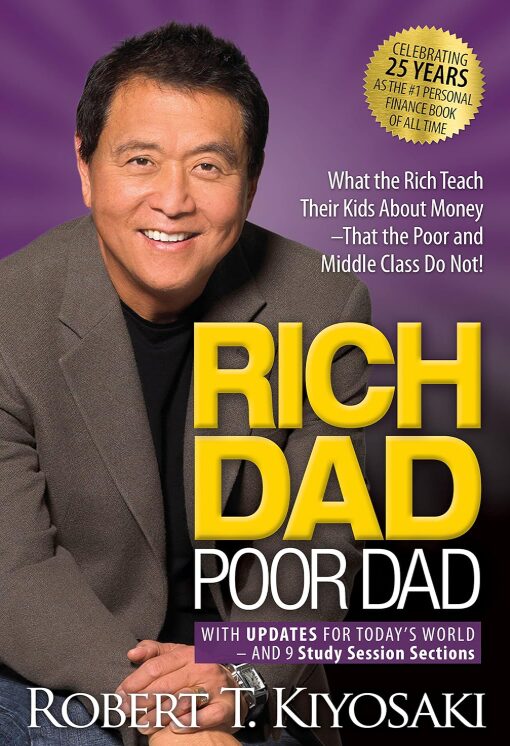
Rich Dad Poor Dad is one of the best personal finance books I started with many years back. I did not know much about personal finance, but after reading it, I gained clarity on what I needed to do to take control of my financial future.
This book is a game-changer for anyone who has grown up with the traditional “go to school, get a job, save money” mindset. Kiyosaki contrasts the advice he got from his highly educated but financially struggling biological father (“Poor Dad”) with the lessons from his entrepreneurial mentor (“Rich Dad”). This book will teach you how to think like an investor, build passive income, and focus on acquiring assets—not just earning a paycheck.
2. The Intelligent Investor by Benjamin Graham
Who should read this book? Intermediate investors and anyone seeking to develop a long-term, rational investment strategy.
What should you expect to learn from the intelligent inventor?
- Value investing
- Margin of safety
- Emotional discipline
- Long-term strategy
- Intrinsic value
- Mr. Market analogy
- Defensive vs. enterprising investing
- Risk management
- Diversification
- Investor psychology
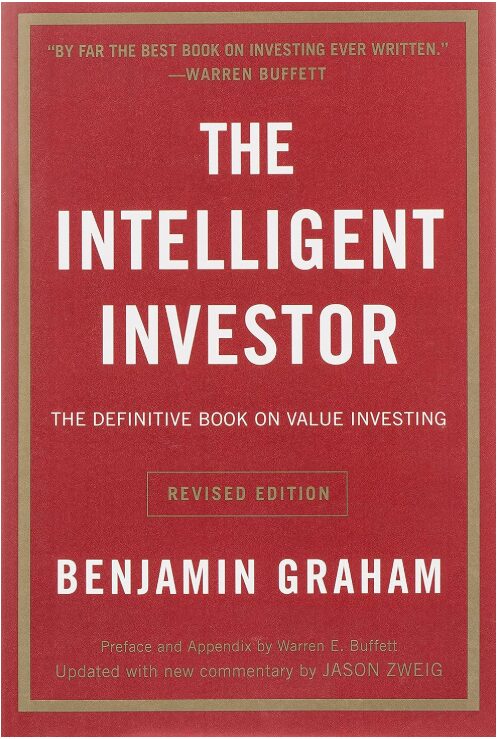
If you are an investor, you probably heard of this incredible personal finance book. This is the best book I have ever read about value investing. If you don’t trust me, take it from the greatest value investor of the 21st century and billionaire, Warren Buffett. “I read the first edition of this book early in 1950 when I was nineteen. I thought then that it was by far the best book about investing ever written. I still think it is”, by Warren Buffett.
Without a doubt, this is one of the most respected investing books ever written, and for good reason. Graham lays out the principles of value investing—buying stocks that are undervalued and holding them for the long term. Throughout the book, you will learn concepts like intrinsic value and margin of safety, all of which help you avoid emotional decisions and stick to a disciplined strategy.
The book also compares the expected return on investment between stocks and bonds and explains how to formulate the right portfolio to maximize your ROI.
3. Your Money or Your Life by Vicki Robin & Joe Dominguez
Good for: Those seeking to live a life with a purpose, but also develop good money habits.
The main topics covered in this book.
- Conscious spending
- Tracking expenses
- Defining “enough”
- Avoiding consumerism
- Financial independence
- Life energy concept
- Budgeting with purpose
- Emotional money habits
- Frugality
- Intentional living
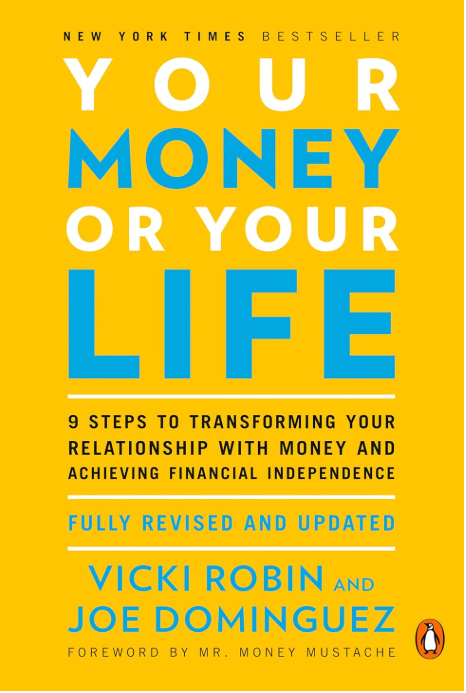
If you’re struggling to manage your finances and achieve your desired lifestyle, you will find the “Your Money or Your Life” book helpful. At the end of the day, focusing on fundamental financial habits such as saving, budgeting, and living a life with purpose is the best way to approach a financial resilience journey. This personal finance book is essential for achieving a life balance and financial stability.
This book is not just about budgeting. It is about transforming your entire relationship with money. Robin and Dominguez help you examine how much of your life energy you’re trading for every dollar you spend. The book walks you through a nine-step process to track your spending, reduce waste, and align your financial habits with your values. This book offers practical tips to help you achieve financial independence and live more intentionally.
4. The Millionaire Next Door by Thomas J. Stanley & William D. Danko
Good for: Individuals seeking to build wealth quietly and sustainably. Pretty much everyone.
Key points from The Millionaire Next Door:
- Living below your means
- Long-term investing
- Budgeting
- Saving consistently
- Avoiding lifestyle inflation
- Wealth vs. income
- Planning ahead
- Modest living
- Financial independence
- Self-made success
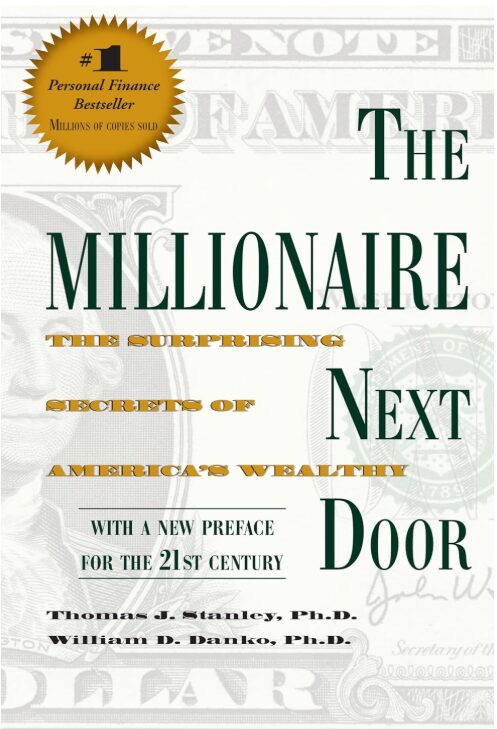
I cannot talk about the best personal finance books without mentioning The Millionaire Next Door. As a matter of fact, this is the most essential book that every person who dares to achieve financial independence should read. I know this because I read this book twice, and it transformed my life. Most of the money habits that I practice today, I learned from this book. So, it is worth recommending.
This book is based on years of research into how real millionaires live, and the results are surprising. Most wealthy people aren’t flashy; they drive used cars, live in modest homes, and prioritize saving and investing over spending. Stanley and Danko break down the habits and behaviors that lead to long-term wealth, showing that discipline and frugality matter more than high income. I will repeat this sentence: Discipline and frugality matter more than high income.
So, if you are looking for a practical personal finance book to transform your life, get a copy of The Millionaire Next Door.
5. The Total Money Makeover by Dave Ramsey
Who should read this book? Anyone who needs structure, motivation, and a proven plan to get out of debt and slowly improve their savings and build wealth.
Key points from The Total Money Makeover:
- Debt snowball method
- Emergency fund
- Budgeting
- Tips for avoiding credit cards
- Saving for retirement
- Financial discipline
- Accountability
- Living debt-free
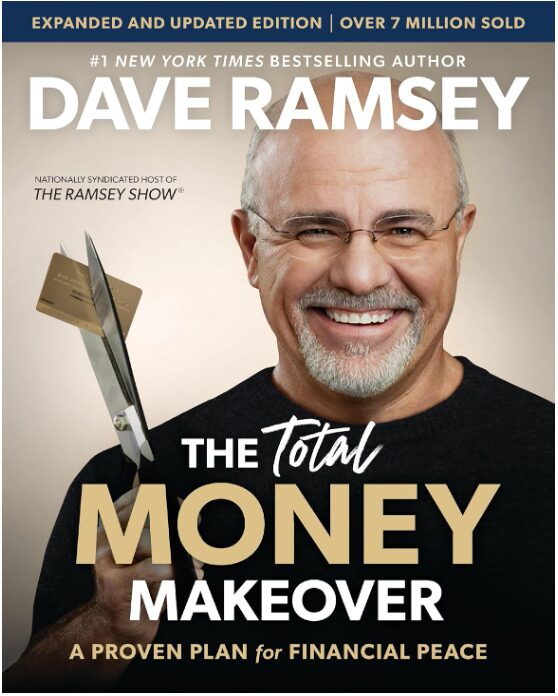
If you’re struggling with debt or just feel overwhelmed by money problems, The Total Money Makeover gives you a clear, step-by-step plan to get back on track. Ramsey’s “Baby Steps” guide you through building an emergency fund, paying off debt using methods like the snowball method, investing in your future, and retirement planning.
This is why I consider The Total Money Makeover book one of the best personal finance books for paying off debt, especially for low-income earners.
I cannot stress how beneficial this personal finance book is. But if you get a copy of this book, you will not be disappointed. Financial resilience starts by understanding what money is, developing good money habits, and taking simple yet powerful steps to set yourself up for long-term success. The Total Money Makeover is the book you should read.
6. Think and Grow Rich by Napoleon Hill
Who should read Think and Grow Rich? Anyone who wants to develop a success-oriented mindset, including consumers, entrepreneurs, and other professionals.
Key points about Think and Grow Rich:
- Definite purpose
- Desire and belief
- Autosuggestion
- Specialized knowledge
- Imagination
- Planning
- Decision-making
- Persistence
- Mastermind group
- Faith in success
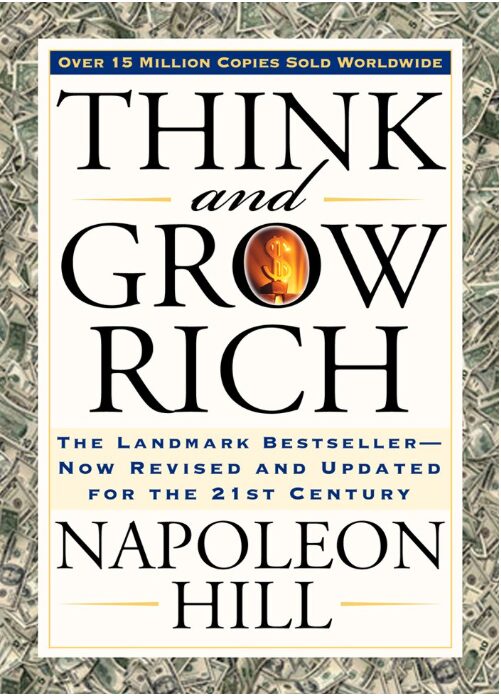
If there is one personal finance book you must read, and I can personally recommend, it is Think and Grow Rich. I read this book twice, and it transformed my life.
This book is not just about money. Instead, the book is about success in all areas of life. Hill interviewed hundreds of successful people and summarized their habits into 13 principles, including desire, faith, persistence, and autosuggestion. The book emphasizes the power of mindset and belief, as well as other success principles essential for achieving a high level of success.
Whether you want to make money, become rich, be happier and healthier, or simply live a simple and yet fulfilling life, this is a book you must read. All you need to do is think, because all success starts with a thought followed by action.
7. The Richest Man in Babylon by George S. Clason
Who should read The Richest Man in Babylon? Beginners who want easy-to-understand money advice.
Key points of the book:
- Pay yourself first
- Avoid debt
- Invest wisely
- Budgeting
- Financial discipline
- Wealth-building habits
- Compound growth
- Living within means
- Saving consistently
- Timeless wisdom
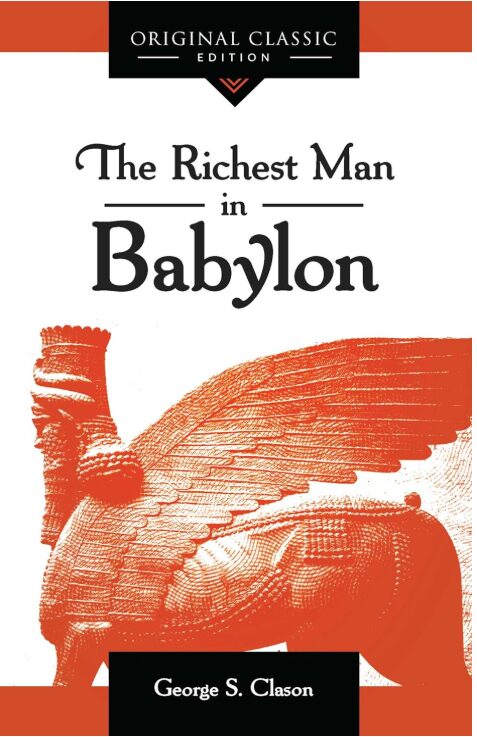
If there is a single personal finance book I can recommend you to read, it would be The Richest Man in Babylon. This is a small book that emphasizes the fundamental principles of financial resilience and wealth building. Similar to other personal finance books I mentioned earlier, I read this book multiple times and still use it as a reference.
Told through parables set in ancient Babylon, The Richest Man in Babylon teaches fundamental financial principles in a way that’s easy to remember and apply. The stories emphasize saving at least 10% of your income, living below your means, and investing wisely. It’s a short, simple, and surprisingly powerful book, especially if you’re just starting out.
8. Passive Income, Aggressive Retirement by Rachel Richards
Perfect for: Anyone who wants to escape the 9-to-5 grind and build financial freedom through multiple income streams and passive income.
Key Points from this book:
- Passive income strategies
- Real estate investing
- Online business models
- Time freedom
- Financial independence
- Scaling income
- Risk management
- Diversification
- Long-term planning
- Wealth mindset
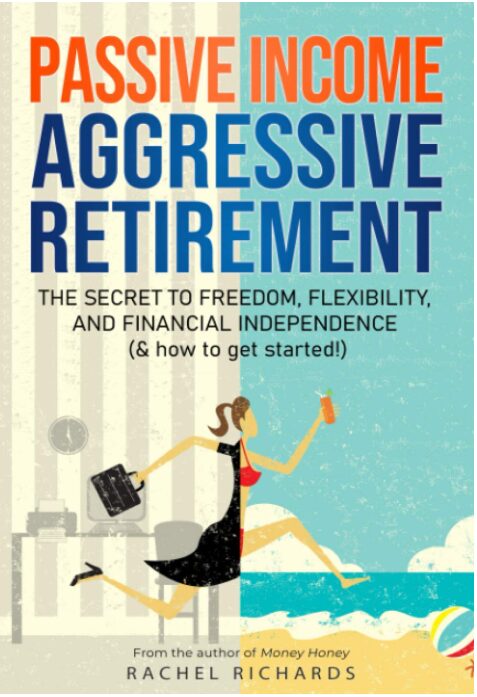
This book breaks down how Rachel retired in her twenties by building multiple passive income streams. She covers everything from real estate to royalties to online businesses, and she does it in a way that feels totally doable, even if you’re starting from scratch. Her tone is friendly and relatable, and she’s great at showing you how to take small steps toward big goals. If you are interested in building multiple streams of income to retire early, the Passive Income, Aggressive Retirement is a perfect starting point to transforming your financial life.
9. The Automatic Millionaire by David Bach
Perfect for: Busy individuals seeking to build wealth with minimal effort.
Key points covered in this book:
- Automation
- Paying yourself first
- Compound interest
- Consistency
- Retirement planning
- Budgeting
- Financial habits
- Small steps, big results
- Time value of money
- Simplicity
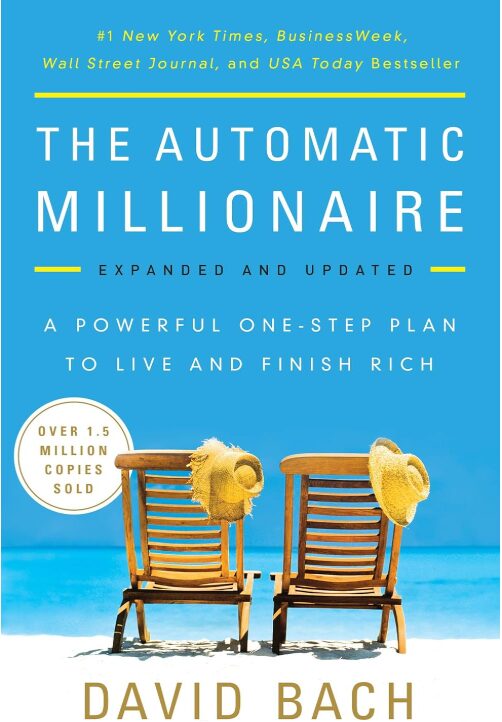
Building wealth and reaching financial independence does not require depriving yourself of basic necessities. Having a system in place that allows you to automate your income, investments, and savings is all you need. If this interests you, then a copy of The Automatic Millionaire could be the only personal finance book you need to change your life.
David Bach’s big idea is that you don’t need to be rich or super disciplined to build wealth; you just need to automate your finances. I agree with him on this point. He shows you how to set up systems that save and invest for you, so you don’t have to rely on willpower. It’s a fast read, and it’s perfect for people who want to make smart money moves without obsessing over every detail.
10. I Will Teach You to Be Rich by Ramit Sethi
Perfect for: Millennials and Gen Z who want practical, guilt-free financial advice.
Key points from I Will Teach You to Be Rich:
- Conscious spending
- Automating finances
- Index fund investing
- Credit tips
- Roth IRA and 401(k)
- Negotiating bills
- Avoiding lifestyle creep
- Financial systems
- Guilt-free spending
- Money psychology
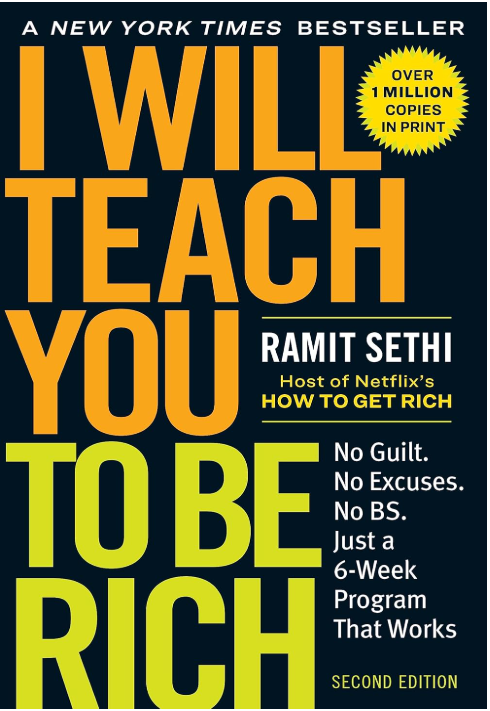
One of the best personal finance books I can recommend you to read is I Will Teach You to Be Rich by Ramit Sethi. This book covers the principles of wealth building in an easy and fun way to understand.
Reading this book is like having a smart friend who walks you through everything you need to know about money. Sethi covers budgeting, saving, investing, and spending in a way that feels empowering, not restrictive. His six-week program helps you automate your finances and build systems that work for your lifestyle.
11. The Psychology of Money by Morgan Housel
Perfect for: Anyone who wants to understand the emotional side of personal finance and how to make conscious financial decisions.
Key points covered in The Psychology of Money:
- Behavior > knowledge
- Emotional biases
- Long-term thinking
- Wealth vs. income
- Saving habits
- Risk tolerance
- Luck and timing
- Financial humility
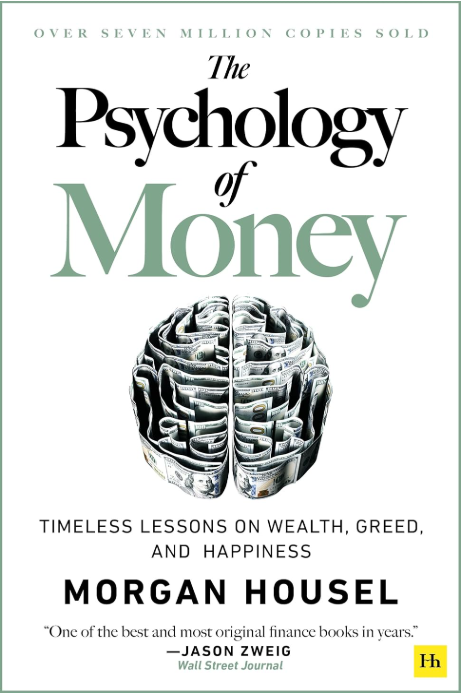
The Psychology of Money is one of many personal finance books that helped me understand how my own emotions were driving the financial decisions I was making. The books also helped me improve my decision-making through emotional control.
This book explores how our emotions and experiences influence our financial decisions. Housel uses short, engaging stories to show that behavior matters more than knowledge when it comes to money. He explores themes like risk, luck, patience, and humility, and he makes you think deeply about your own money habits.
12. The Simple Path to Wealth by JL Collins
Perfect for: Beginners and anyone pursuing stress-free financial independence.
Key points from this book:
- Index fund investing
- Avoiding debt
- Frugality
- Financial independence
- Compound interest
- Stock market basics
- Emergency funds
- Simplicity over complexity
- Long-term strategy
- Wealth building
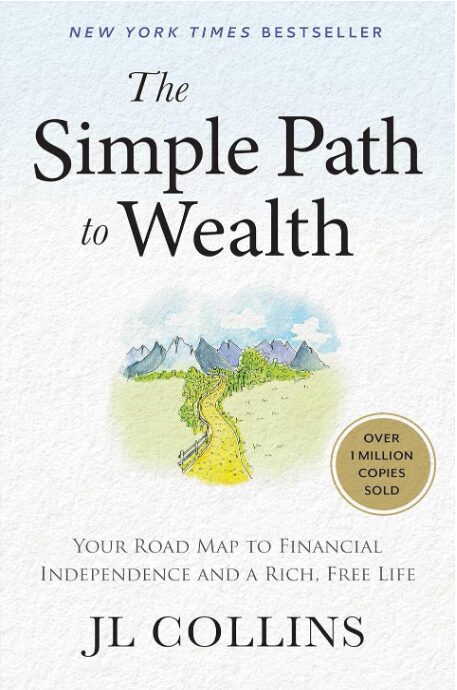
Just like the name says, The Simple Path to Wealth focuses on long-term and passive strategies for building wealth.
JL Collins originally wrote this book for his daughter, and it shows—it’s warm, clear, and incredibly helpful. He explains why index funds are the best investment for most people, how to avoid debt, and how to reach financial independence without stress. The Simple Path to Wealth is one of the most recommended personal finance and investing books out there.
13. A Random Walk Down Wall Street by Burton Malkiel
Perfect for: Investors seeking to grasp market theory and build strong portfolios.
- Index funds
- Diversification
- Risk vs. return
- Asset allocation
- Behavioral finance
- Investment bubbles
- Long-term strategy
- Retirement planning
- Market history
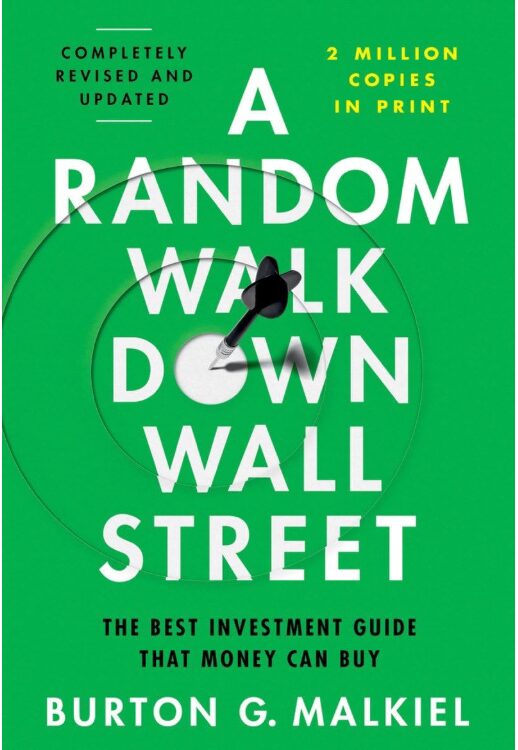
Long-term financial planning and investing behavior minimize the risks of losing money and increase the likelihood of financial success. If this sounds interesting to you and you want to build wealth with these principles, then A Random Walk Down Wall Street by Burton Malkiel is a great personal finance book you should read.
This is a classic investing book that argues most people are better off buying and holding index funds than trying to beat the market. Which is true. You should never try to beat the market because time in the market is better than timing the market. Most people learn this wealth-building hack the hard way.
Malkiel explains how markets work, why diversification matters, and how to avoid common investing mistakes.
14. Money: Master the Game by Tony Robbins
Perfect for: Ambitious readers who want a deep dive into wealth-building strategies.
- Financial freedom
- Asset allocation
- Fee awareness
- Compound interest
- Diversification
- Mindset
- Retirement planning
- Expert insights
- Goal setting
- Wealth psychology
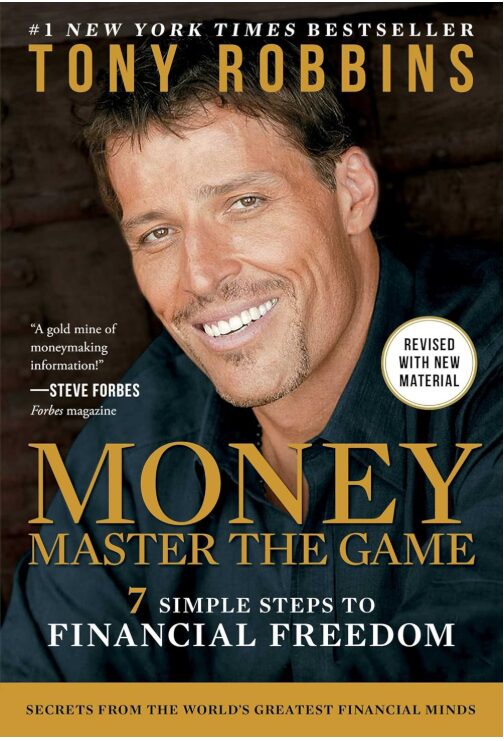
I cannot end this list of the best personal finance books and investing guides without mentioning a book from one of my favorite money coaches and motivational speaker, Tony Robbins. While he wrote a lot of books, one of my favorite personal finance books which I still use today is Money: Master the Game.
Tony Robbins interviewed some of the top financial minds in the world and summarized their financial advice into seven steps for financial freedom. The book is long and packed with information, but Robbins’s energy and clarity make it engaging. He covers everything from asset allocation to mindset, and he gives you a full blueprint for building wealth.